






The Engineering Masterclass of Split Air Conditioning Systems: Why it Outperforms Alternative Structural Methods
Achieving stable thermal conditions during intense summer heatwaves requires a robust and reliable technical setup. As urban development grows across residential avenues and high-rise commercial sectors, managing cooling setups presents a clear logistical challenge. Standard equipment ownership comes with financial liabilities, including complex component calibrations, routine refrigerant top-ups, and off-season storage needs. Choosing temporary climate control configurations resolves these operational struggles by delivering ready-to-run systems directly to your home or office.
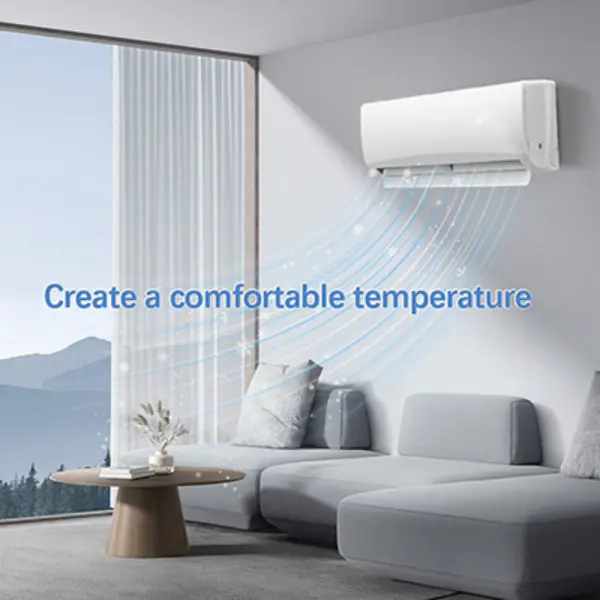
A central technical advantage of our split catalog is its superior design, separating the high-pressure condenser phase from the internal evaporator phase. This structural division not only changes how the system interacts with room aesthetics but also brings significant energy advantages. By managing thermodynamic laws effectively, these models achieve notable cooling efficiency while running far quieter than alternative equipment styles.
Thermodynamic Cycle Dynamics and Thermal Containment Analysis
Every air conditioner works on the core principle of vapor compression, moving heat out of indoor spaces using closed copper lines. In fixed single-shell configurations, like traditional window models, all mechanical components—including the compressor, evaporator, condenser fan, and expansion capillaries—live inside a single housing frame. This tight arrangement often creates thermal crossover, where heat radiating from the hot compressor motor naturally warms parts of the cold internal air path. This cross-transfer drops total operating efficiency, forcing the machine to draw more power to hit its cooling targets.
Split system architectures avoid this thermal cross-transfer by isolating the heat-rejection condenser and compressor mechanisms outdoors. This clean physical separation ensures that cold internal paths stay completely clear of hot motor parts. Air circulates through a dedicated indoor unit using optimized cross-flow fan assemblies, maximizing heat absorption efficiency and ensuring consistent performance even during extreme outdoor heatwaves.
Micro-Channel Copper Coils vs. Traditional Aluminum Coils
A key technical consideration when evaluating cooling equipment is the material used in internal coil construction. Low-cost market options frequently utilize low-grade aluminum coils or mixed alloy structures to reduce production expenses. However, aluminum parts face serious challenges when exposed to changing weather conditions, ambient pollution, and humidity. These factors accelerate galvanic corrosion at joint connections, leading to microscopic refrigerant leaks that gradually degrade system performance over the season.
Our complete catalog relies exclusively on pure seamless copper condensers and evaporator coil grids. Copper provides superior thermal conductivity, which speeds up internal heat exchange and reduces compressor load. This durability prevents the typical efficiency losses seen with cheaper alternatives, lowering power draw and keeping your monthly electricity bills manageable during long summer months.
- High Thermal Conductivity Matrix: Copper transfers heat significantly faster than aluminum, accelerating real-world cooling loops.
- Superior Corrosion Resistance: Pure copper resists chemical breakdown caused by urban pollution and humidity, minimizing line leaks.
- Structural Stability and Lifespan: High-tensile copper tubing handles internal high-pressure cycles reliably, preventing pipe fractures.
Inverter Variable Frequency Control vs. Fixed Speed On-Off Systems
Understanding the internal component differences between continuous variable inverter modules and traditional fixed-speed single-stage compressors helps clients make the right choice for their space. Fixed-speed systems run at full capacity until the indoor room thermostat reaches its target setting, then completely shut down. When room temperatures drift back up, the motor restarts at maximum power draw, causing brief spikes in your electrical line voltage.
Variable frequency inverter setups keep the compressor running continuously at lower, optimized speeds. By dynamically adjusting motor output to match shifting heat loads, these units maintain steady room temperatures without the costly start-stop cycles. This efficient operation uses significantly less energy, making it an excellent match for multi-room apartments and modern workspaces across Greater Noida.
Logistical Excellence Framework: Precision Balancing and Flow Optimization
Every equipment deployment follows a strict quality assurance checklist before a system is certified for use on-site. When a logistics team delivers a unit to a residential sector or corporate park, the system goes through a rigorous series of setup and testing steps:
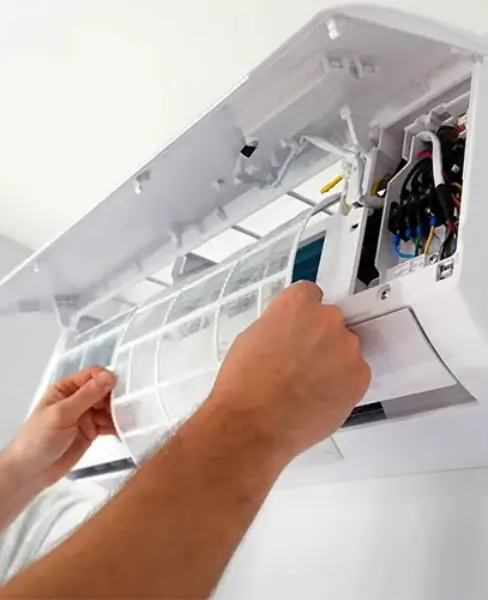
First, structural technicians perform an on-site evaluation to ensure structural brackets line up securely with designated exterior ledges. This step prevents alignment issues that could cause internal line stress or excess vibration sound. Next, installers secure wall mount plates using high-strength anchors, creating a level foundation that keeps internal condensation flowing down dedicated drainage lines properly.
Once the indoor and outdoor units are physically positioned, mechanics use specialized vacuum pumps to draw down the copper lines. This step pulls out any residual air and moisture from the lines before releasing the primary refrigerant charge. Removing non-condensable gases is essential to prevent internal ice blockages and acid formation, protecting the compressor motor for reliable performance throughout the season.
Finally, technicians run the system through full functional tests, measuring electrical current stability and temperature drops across air grilles to ensure the unit achieves real-world cooling targets. This disciplined deployment approach guarantees high operational quality on every visit, providing dependable climate control from day one.
Corporate Workspace and Event Integration Capabilities
Beyond standard residential apartments, our commercial division designs custom temporary layouts for business hubs, temporary storefronts, industrial zones, and major open-air public functions. Large event venues often deal with unpredictable internal heat loads driven by crowds, professional lighting arrays, and high ceiling spaces.
For these situations, our high-tonnage vertical tower units provide rapid, localized air distribution without requiring complex ducted infrastructure. Our technical teams handle the entire process—from calculating power requirements to managing safe outdoor drain pathways—keeping commercial operations running smoothly and comfortably through any event.